

Understanding the Best CFD Trading Regulations
Contract for Difference (CFD) trading has gained immense popularity among investors due to its ability to offer market exposure without the need to own the underlying asset. However, this popularity has also drawn the attention of regulatory bodies around the globe, leading to the development of various CFD trading regulations aimed at protecting traders and ensuring market integrity. One of the key resources for finding reliable information about such regulations is best cfd trading regulations bestbrokercfd.com, which provides valuable insights into the best practices and standards for CFD trading.
What Are CFD Regulations?
CFD regulations are a set of laws and guidelines established by regulatory authorities to govern the trading of Contracts for Difference. These regulations are designed to protect investors from fraud, ensure fair trading practices, and maintain the overall integrity of financial markets. Different regions have different regulatory frameworks, often depending on the local financial laws and the specific characteristics of the CFD market.
Key Regulatory Authorities
Around the world, various regulatory bodies oversee the CFD trading markets. Some of the best-known authorities include:
- Financial Conduct Authority (FCA) – United Kingdom: The FCA is one of the most influential financial regulators in the world. It sets strict standards for CFD brokers operating in the UK, including requirements for capital adequacy, client fund protection, and regular audits.
- Australian Securities and Investments Commission (ASIC) – Australia: ASIC regulates the Australian financial services market, including CFD trading. ASIC’s regulations focus on promoting confident and informed investors while ensuring the provision of a fair trading environment.
- Cyprus Securities and Exchange Commission (CySEC) – Cyprus: CySEC is a popular regulatory authority among CFD brokers due to the country’s approachable regulation framework, allowing for easier access for brokers looking to operate in Europe.
- Commodity Futures Trading Commission (CFTC) – United States: While the U.S. has stricter regulations regarding CFDs, the CFTC oversees trading in derivative markets and ensures compliance with laws that protect market participants.
The Importance of Regulation in CFD Trading
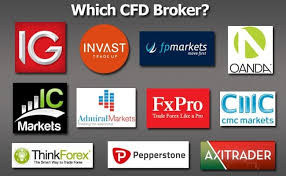
Regulatory frameworks are crucial for the safety and security of traders. Here are some reasons why adhering to CFD regulations is essential:
- Investor Protection: Regulations typically require brokers to segregate client funds from their own operational funds, reducing the risk of mismanagement of client money.
- Transparency and Fairness: Regulated brokers must adhere to strict reporting and operational standards, increasing market transparency and ensuring fair trading practices.
- Dispute Resolution: Regulatory bodies often provide mechanisms for traders to resolve disputes with their brokers, offering an additional layer of security.
- Education and Resources: Many regulators implement educational initiatives that help traders understand the risks associated with CFD trading, which leads to more informed and responsible trading.
How to Choose a CFD Broker with Proper Regulations
Selecting a CFD broker that adheres to robust regulatory standards is crucial for your trading success. Here are some factors to consider:
- Regulatory Status: Always check the regulatory status of a broker. The presence of a reputable regulatory body overseeing the broker’s operations is a good sign of credibility.
- Trading Terms: Analyze the broker’s trading terms, such as leverage, spreads, and fees. Different regulations might influence these terms.
- Client Support: Ensure that the broker offers reliable customer support. A regulated broker will have a vested interest in maintaining a good relationship with its clients.
- Reviews and Feedback: Look for reviews and feedback from other traders to get insights into the broker’s reliability and compliance with regulations.
Staying Up to Date with CFD Regulations
CFD regulations evolve to adapt to market changes and new financial technologies. It’s important for traders to stay informed about any updates or changes that might affect their trading experience. Following reputable financial news sources and maintaining subscriptions to updates from regulatory bodies can provide valuable insights into the latest trends and regulations affecting CFD trading.
Conclusion
Understanding the best CFD trading regulations is essential for any trader looking to enter the lucrative world of CFDs. By ensuring that you trade with a regulated broker, you protect your investments and gain access to a more transparent and fair trading environment. As you navigate this dynamic market, prioritize choosing brokers with strong regulatory oversight and stay informed about the various regulations that govern CFD trading.